
Great Service. Great Rates...Not Your Call Center Mortgage Company.
760.720.1700
- Home
- Our Rates
- Apply Online
- Programs
- Home Loan Basics
- Contact
- Why Choose Us
- Mortgage Calculator
- Privacy
Navigation- Home
- Our Rates
- Apply Online
- » Full Loan Application
- » Reverse Mortgage Application
- Programs
- » Problems Solved!
- » » Bankruptcy Buyout
- » » Credit & Your Mortgage
- » » Divorce
- » » Short Term Rental Financing
- » » Doctor Mortgage
- » » ADU Financing
- » » Relocation Loans
- » » Non-Traditional Income
- » » Veteran Mortgages
- » » Buy and Renovate
- » » Down Payment Assistance (DPA)
- » » Mortgage After Bankruptcy
- » » Home Renovation
- » » Non-Resident Mortgage
- » Niche Programs
- » FHA Loans
- » » FHA Programs
- » » FHA MIP Removal
- » » FHA Loans, The Basics
- » » FHA Back To Work
- » » FHA 580 FICO
- » » FHA vs Conventional
- » » FHA Streamline Refinance
- » » FHA 203K Rehab Loans
- » Reverse Mortgages
- » » Reverse FAQs
- » » Reverse Qualifications
- » » Reverse Safeguards
- » » Get A Quote
- » » Age 55+ Reverse Mortgage
- » » What's In A Quote?
- » » Get A Free Booklet
- » » Programs
- » Home Equity
- » Conventional Mortgages
- » » Conventional Basics
- » » Conforming Loans
- » » Non-QM Loans
- » » Non-QM Programs
- » » Conforming vs FHA/VA
- » » Conventional Programs
- » » Bank Statement Loans
- » Jumbo Home Loans
- » » What Is A Jumbo Loan?
- » » Jumbo Programs
- » » Jumbo Qualifications
- Home Loan Basics
- » Buyer Guide
- » » Affordability
- » » Brand New Home
- » » Searching For A Home
- » » Describe Your Home
- » Refinance
- » » Do You Need To?
- » » Common Refi Myths
- » First Time Buyer Guide
- » » A Home of Your Own
- » » Down Payment Assistance (DPA)
- » » Describe Your Home
- » » The Search is On
- » » FAQ's About Home Finance
- » » Closing the Deal
- » The Loan Process
- » Mortgage 101
- » » The Disclosure Process
- » » Choose a Loan Program
- » » FAQ's About Home Finance
- » » Top 50 Real Estate Terms
- » » Closing the Deal
- » » Affordability
- Contact
- Why Choose Us
- Mortgage Calculator
- Privacy
Accessory Dwelling Unit (ADU) Financing
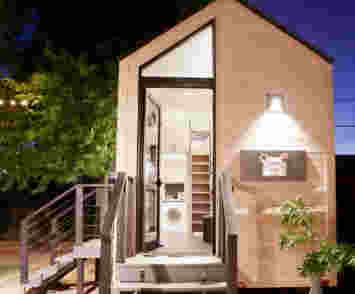
An accessory dwelling unit (ADU) is a separate home or living space that exists on the same property as your primary residence. Adding an ADU can increase the value of your property, provide a source of rental income, or create living space for family members. If you’re considering building an accessory dwelling unit on your property, let Janus Mortgage provide the guidance and support you need to make your project a success.
Accessory dwelling units are additional living spaces that occupy your primary residence or property. Common examples of ADUs can include:
- A basement apartment
- An apartment over the garage, or “granny flats”
- Guest house
- Tiny house
Our customers often use an ADU as a rental property for extra income, but remember that the structure cannot legally be sold apart from the main house.
Main Types of ADUs
Accessory dwelling units come in several different varieties. Janus Mortgage can help you with each of these three main types:
Detached ADU
A detached ADU refers to a structure that’s completely separate from the primary residence. For example, a guest house in your backyard or side yard would be classified as a detached unit.
Attached ADU
An attached ADU shares at least one wall with your primary residence. Entrances can be shared or separated from the entrance to your main house. The attached ADUs can create an apartment connected to your primary residence.
Conversion
In a conversion ADU, property owners can convert a portion of their home, garage, or attic into a residential living space. For instance, converting the area above your garage into an apartment would be considered an ADU conversion, as would renovating your attic into a separate living space.
Pros and Cons of an
Accessory Dwelling Unit
Before you build an accessory dwelling unit on your property, it’s essential to understand the costs and benefits. Here’s a rundown of what to expect when adding an ADU to your property.
ADU Pros
Building an accessory dwelling unit can come with notable advantages, including:
- Providing a source of additional income
- Creating affordable housing for your community
- Offering housing options for multi-generational households
- Increasing the value of your property
You can also use an accessory dwelling unit for your own purposes, such as a studio or home office. Additionally, an accessory dwelling unit requires less heating and cooling energy, which means you can add one without compromising your commitment to sustainability.
ADU cons
On the other hand, an accessory dwelling unit features certain drawbacks, such as:
- Initial building costs
- Local zoning regulations and restrictions
- Decreased privacy, especially if they are attached
- Additional maintenance and utility bills for detached ADUs
It’s also important to note that, while an accessory dwelling unit can serve as a source of rental income, you’ll have to find and screen tenants to keep your unit occupied.
Requirements for building an ADU
To build an accessory dwelling unit, you’ll typically need to obtain a building permit. This also means you’ll need to submit detailed plans and specifications before your build is approved.
Specific zoning and building code requirements vary by state and local governments. Depending on these requirements, you may be required to:
- Limit the structure to a particular size
- Place it a specified distance from your property lines Use separate utility meters for the ADU
- Ensure that the ADU has access to utilities
- Provide adequate heating, cooling, and ventilation
- Install exterior doors for accessibility
- Provide a separate bathroom and living space within the property
- Add a kitchen and separate entrance from the primary dwelling
You may wonder if an accessory dwelling unit requires a kitchen. Most jurisdictions require that an ADU be a completely independent living space, complete with its own bathroom, kitchen, and bedroom. However, check with your local housing and community development administration for exact specifications for an accessory structure.
How to Finance an ADU
No matter what type of unit you build, you’ll need to secure financing. Janus Mortgage offers several renovation loan options, including:
- FHA 203(k) Standard
- FNMA HomeStyle® Renovation
- Freddie Mac CHOICERenovation®
An FHA 203(k) Standard loan can be used exclusively for an attached ADU, while the other renovation loans can be used for either an attached or detached ADU. To qualify, you must: Build an accessory dwelling unit smaller than your primary residence Occupy the primary residence Build only one accessory dwelling unit on your property Ready to explore financing options for your accessory dwelling unit? The expert team at Janus Mortgage can help you find the best option for your project — with your needs as our highest priority.
What Our Clients Are Saying
ADU Financing FAQ
1. What is an ADU?
An Accessory Dwelling Unit (ADU) is a secondary living space built on the same lot as a primary home. It can be a detached guest house, garage conversion, basement apartment, or an addition to the main home.
2. Can I finance an ADU with a mortgage loan?
Yes. ADUs can be financed using renovation and construction loan programs that roll the building cost into your mortgage.
3. What loan programs can be used to finance an ADU?
Common options include: FHA 203(k) Renovation Loan Fannie Mae HomeStyle® Renovation Loan Freddie Mac CHOICERenovation® Loan These programs allow you to finance both the home and the ADU construction in one loan.
4. Can I build a detached ADU with a loan?
Yes. Detached ADUs are allowed under Fannie Mae HomeStyle® and Freddie Mac CHOICERenovation® programs.
5. Can I convert a garage or basement into an ADU?
Yes. Conversion ADUs are one of the most common uses of renovation loan programs.
6. Do I have to live in the main house?
Yes. Renovation loan programs require the borrower to occupy the primary residence.
7. How many ADUs can I build?
Most programs allow only one ADU per property.
8. Can rental income from the ADU help me qualify?
In some cases, future rental income from the ADU may be used to help qualify, depending on the loan program and appraised value.
9. Does the ADU have to be smaller than the main house?
Yes. The ADU must be subordinate in size to the primary residence.
10. How much can I borrow for an ADU?
Loan limits depend on: Property value after renovation Program guidelines Your income, credit, and debt ratios Janus Mortgage can help calculate your maximum borrowing power.
11. What are the benefits of building an ADU?
Rental income Increased property value Housing for family Home office or studio space
12. What is the first step to finance an ADU?
The first step is a loan consultation to review your goals, property, and eligibility for renovation programs.

Janus Mortgage is the premier mortgage broker in San Diego County. We have the home loan solution you need to make your home ownership dreams come true. Call us today to make an appointment to speak with a professional loan counselor.
Janus Mortgage is a mortgage broker licensed in the State of California under the auspices of the California Department of Real Estate license number 02038085 and the National Mortgage License Registry NMLS Number 1690954. All offers for loan programs are made for loans on California only. Disclaimer/Copyright Info: 2026 Copyright, Janus Mortgage – Terms and conditions apply.
All rates, programs and fees are subject to change and may not be available to all applicants. Janus Mortgage Corporation dba Janus Mortgage is an Equal Housing Lender. Please see our Privacy Policy about how we use personally identifiable you give us.
| Login